Reviewing Make Someone Smile Today SVG
As a designer who spends half my life digitizing and the other half stitching, I approach every new machine embroidery design with a healthy dose of skepticism. We have all been there: you download a file that looks crisp on the screen, only to find it turns into a tangled mess of thread breaks and puckering once it hits the hoop. That is why I took a close look at the Make Someone Smile Today SVG Cut File. While this asset is marketed primarily as a graphic for stickers and digital crafts, its potential in the embroidery world is worth exploring for those of us running a craft business or selling handmade products.
First Impressions and Visual Personality
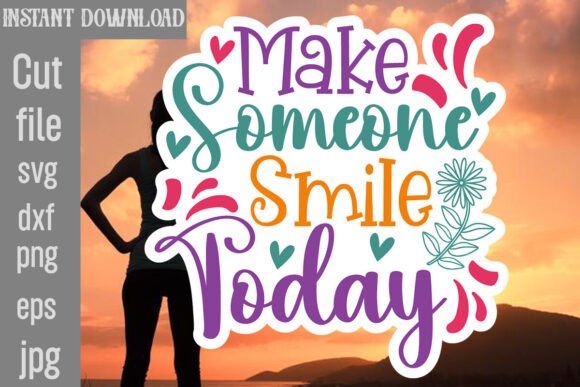
The first thing that strikes me about this design is its mood. It radiates a gentle, retro-inspired positivity. In a market saturated with aggressive branding, a design that whispers "healing" and "positivity" stands out. The layout is clean, likely featuring bold, rounded typography that mimics the aesthetic of vintage waterproof stickers. For an embroidery project, this visual personality is a double-edged sword. Bold lines are generally friendly to the needle, but the "retro" vibe often implies a specific weight to the letters that must be translated carefully into stitch types.
When I visualize this as a finished product, I do not see it on a stiff, formal shirt. I see it on soft, lived-in items. It belongs on a canvas tote bag carried by a student, a oversized sweatshirt worn on a lazy Sunday, or a nursery pillow cover. The design’s inherent warmth makes it ideal for personalized gifts where the emotional connection matters more than technical flashiness. It feels like a hug in thread form.
Real-World Application: The Sweatshirt Test
To truly evaluate the Make Someone Smile Today SVG Cut File, I mentally placed it on a heather grey fleece sweatshirt. This is a common request for Etsy sellers and boutique owners. The challenge here is the fabric texture. Fleece is thick and plush, which can swallow fine details. If this design relies on thin running stitch outlines, they might get lost in the pile. However, if the design utilizes a solid fill stitch or a wide satin stitch border, it will pop beautifully against the textured background.
I also considered its use on a canvas tote bag design. Canvas is stable and forgiving, making it a perfect candidate for testing stitch density. A design with high stitch density can make a tote bag stiff and unpleasant to hold. If this graphic is adapted from a sticker SVG, it might be too dense by default. My advice would be to reduce the density slightly or use a lighter weight thread to maintain the drape of the fabric. For a custom apparel piece, the goal is comfort, not just aesthetics.
Navigating Technical Challenges
While the sentiment is uplifting, the technical execution requires caution. Since this originates as a sticker SVG, the lines may be optimized for cutting vinyl, not for stitching thread. Vinyl cutters love sharp corners; embroidery machines hate them. Sharp corners in lettering often lead to thread bunching or breaks. If you plan to use this for an embroidered patch or a cap, you must inspect the nodes. You may need to round off any aggressive angles in your digitizing software before sending it to the machine.
Another critical factor is size. Stickers can be tiny, but embroidery has physical limits. Attempting to stitch this design in a small hoop size, such as a 4x4 inch frame, could result in illegible text. The smaller the hoop, the larger the text needs to be relative to the frame. For baby embroidery items like onesies, ensure the design is scaled up enough so that the stitches do not become too tight against delicate skin. Always use a proper stabilizer; for stretchy fabrics like baby knits, a cut-away stabilizer is non-negotiable to prevent distortion after washing.
Color Theory and Thread Selection
The success of this design hinges on thread colors. The retro aesthetic suggests a palette of muted pastels or warm earth tones—think mustard yellow, sage green, or terracotta. Avoid neon threads unless you are aiming for a stark, modern contrast that might clash with the "healing" theme. When working on dark fabrics, remember that embroidery thread has sheen. A matte thread might disappear, while a high-sheen rayon or polyester will catch the light and give the design dimension.
I recommend testing the design in black and white mockups first. If the design loses its definition without color, it means the contrast between the elements is too low. This is crucial for commercial embroidery where brand consistency and readability are key. A muddy design looks unprofessional and can hurt buyer engagement.
Commercial Viability and Licensing
For small shop product creators, understanding the license is paramount. The product description mentions it is an SVG cut file, which typically implies use with cutting machines like Cricut or Silhouette. Using it for embroidery may require a different license or a converted digital embroidery file format like PES or DST. Never assume that a graphic license covers commercial embroidery sales. Always check the terms before listing items on your store.
If you are creating printable mockup assets for your shop, this design offers great versatility. It can be photographed on a laptop sleeve or a water bottle to show range, even if the primary product is stitched. This cross-category appeal is valuable for design assets libraries. However, ensure that the final stitched item matches the quality of the digital preview. Discrepancies here can lead to refunds and negative reviews.
Final Verdict for Designers
The Make Someone Smile Today SVG Cut File is a charming addition to your library, provided you approach it with a designer’s eye. It is not a plug-and-play solution for every fabric. It thrives on stable, medium-weight materials like cotton canvas, denim, or fleece. It struggles on thin, slippery silks or highly textured wools unless heavily stabilized.
Before committing to a large batch of holiday embroidery gifts or craft fair products, stitch out a sample on scrap fabric. Check the back of the hoop for excessive bobbin thread buildup, which indicates tension issues. Inspect the small details—are the dots over the "i"s secure? Is the spacing between letters consistent?
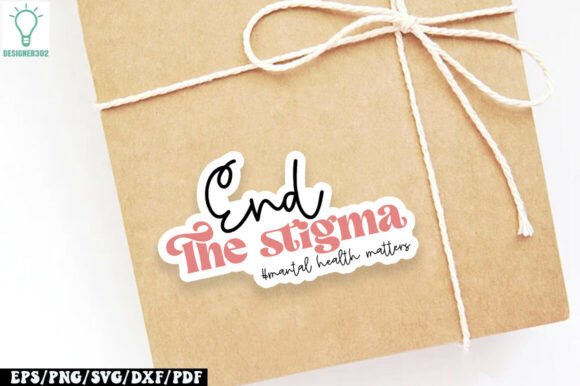
In the hands of a careful crafter, this design can elevate a simple item into a meaningful personalized gift. It speaks to mental health awareness and positivity, topics that resonate deeply with today’s consumers. Just remember: the file is only as good as the execution. Take the time to adjust the density, choose the right stabilizer, and select threads that honor the retro spirit of the art. When done right, it is not just a stitch pattern; it is a piece of wearable comfort.