Reviewing End the Stigma Mental Health Design
As a designer who has spent countless hours digitizing and stitching out files for clients, I have learned that not every graphic translates well to thread. When I first encountered End the Stigma mantal Health Matters, my immediate reaction was one of cautious optimism. The message is powerful, timely, and deeply resonant with current cultural conversations. However, in the world of embroidery, sentiment alone does not make a successful product. The design must hold up under the needle, maintain legibility on various textiles, and offer versatility for the maker. This review breaks down how this specific asset performs when moved from a digital screen to a tangible, stitched reality.
First Impressions and Aesthetic Mood
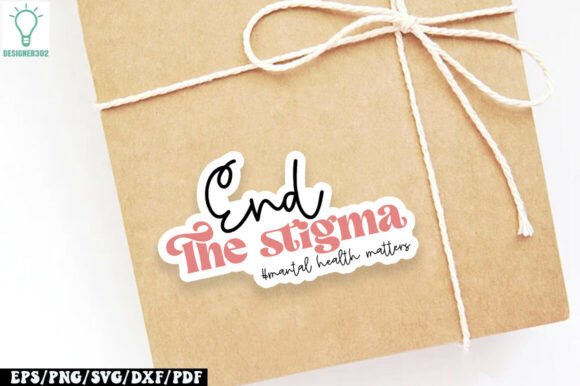
The visual personality of End the Stigma mantal Health Matters leans heavily into the boho aesthetic, which is currently dominating the handmade market. The layout suggests a balance between organic, free-flowing elements and structured typography. For an embroidery project, this is a double-edged sword. Boho styles often rely on fine lines and intricate details that can get lost if the stitch density is too low or if the fabric texture is too coarse.
When evaluating this as a piece of Graphics within the broader Crafts category, I look for clean vector paths. Since the download includes SVG, DXF, PNG, EPS, and PDF formats, we have the raw materials needed to assess scalability. The mood created is one of gentle advocacy—soft enough for a nursery or personal gift, yet bold enough for a statement tote bag. It feels approachable, which is crucial for a topic like mental health. We want the finished product to invite conversation, not intimidate the viewer.
Real-World Application: The Custom Tote Bag Scenario
To truly test the viability of this design, I imagined a real-life scenario: creating a custom embroidered tote bag for a local wellness workshop. Tote bags are typically made from canvas or heavy cotton, fabrics that have a distinct weave. Here, the performance of End the Stigma mantal Health Matters would depend heavily on how the design handles negative space.
If the design features thin, script-like lettering, stitching it directly onto canvas without proper stabilization could result in puckering or thread breakage. In this context, I would likely treat the design as an applique design rather than a full fill stitch project. By using a satin stitch border around the main elements and filling the interior with fabric, we reduce the stitch count and prevent the bag from becoming stiff and board-like. This approach also enhances the boho vibe, adding texture and depth that flat embroidery sometimes lacks.
For a sweatshirt embroidery project, the considerations shift. Fleece and cotton blends are forgiving, but they can swallow small details. If this design is intended for a hoodie back or chest logo, I would recommend scaling it up significantly. The phrase "Mental Health Matters" needs to be readable from a distance. If the original file has tiny decorative flourishes, these might need to be simplified or removed during the digitizing process to ensure clarity. A cluttered design on a sweatshirt looks messy; a clean, bold design looks professional.
Navigating Fabric and Hoop Constraints
One of the most critical aspects of using any new machine embroidery design is understanding its limitations regarding hoop size and fabric type. While the product description mentions compatibility with Cricut and Silhouette for cut files, embroidery machines have different constraints. If you are planning to stitch this on a cap or hat, you are working with a curved, structured surface. Complex, wide designs often distort on caps unless they are specifically digitized for 3D puff or curved hooping.
For baby embroidery items, such as onesies or burp cloths, the softness of the garment is paramount. High-density fill stitches can make a baby item uncomfortable against sensitive skin. In this case, I would advise using a lightweight stabilizer and opting for running stitch outlines or sparse satin stitches. The thread colors chosen here play a massive role. Pastels or muted earth tones would complement the boho theme and keep the item gender-neutral and soothing, whereas high-contrast neon threads might clash with the intended message of calm and support.
When working with dark fabric, visibility becomes a challenge. If the design relies on subtle shading or thin lines, it may disappear into black or navy material. Always test your embroidery file on a scrap piece of the actual fabric you intend to use. This allows you to check tension, thread breakage, and visual contrast before committing to the final finished product.
Commercial Viability for Etsy Sellers and Makers
For Etsy sellers and small shop owners, the commercial potential of End the Stigma mantal Health Matters is significant. Mental health awareness is not just a trend; it is a lasting movement. Products that support this cause often see higher engagement because they connect with buyers on an emotional level. However, professionalism is key. A poorly stitched design can undermine the seriousness of the message.
Using this asset for commercial embroidery requires careful attention to licensing. While the bundle provides various file formats, you must confirm whether the license allows for the sale of physical goods. Assuming it does, this design can be adapted for multiple revenue streams: embroidered patches, kitchen towels, pillow covers, and even framed textile art. The versatility of the SVG and PNG files means you can also create printable mockup images for your online store listings, showing customers exactly how the design looks on different products without having to stitch every single sample.
Brand consistency is another factor. If your shop focuses on minimalist or boho styles, this design fits seamlessly. If your brand is more industrial or modern, you might need to adjust the color palette or simplify the elements to match your aesthetic. The goal is to make the design feel like an intentional part of your collection, not just a generic add-on.
Practical Designer Notes and Best Practices
Before you load this design into your machine, consider these practical steps to ensure success:
- Test on Scrap Fabric: Never stitch a new design directly on your final garment. Use a similar fabric scrap to check for puckering, thread breaks, and registration issues.
- Check Stitch Density: If the design feels too dense, it may pull the fabric. Consider reducing density in your digitizing software if you have the skills, or choose a heavier fabric that can withstand the tension.
- Stabilizer Selection: Use a cut-away stabilizer for stretchy fabrics like t-shirts and jerseys to prevent distortion over time. Use tear-away for stable woven fabrics like cotton tote bags.
- Contrast is Key: Ensure your thread color contrasts sufficiently with the fabric. A dark thread on dark fabric will render the message invisible.
- Verify Licensing: Always read the terms of use. Confirm if you can sell the stitched items and if there are any restrictions on quantity or platform.
- Inspect Small Details: Zoom in on the digital file. Are there tiny elements that might not stitch out cleanly? If so, consider removing them or enlarging the overall design.
In conclusion, End the Stigma mantal Health Matters offers a compelling blend of meaningful messaging and trendy aesthetics. For the experienced designer, it presents a canvas for creativity, provided you respect the technical demands of embroidery. By choosing the right fabric, stabilizer, and thread, you can transform this digital asset into a high-quality handmade product that resonates with customers. Whether you are creating a personalized gift for a friend or stocking your small shop product line, this design has the potential to be a standout piece—if handled with care and technical precision.