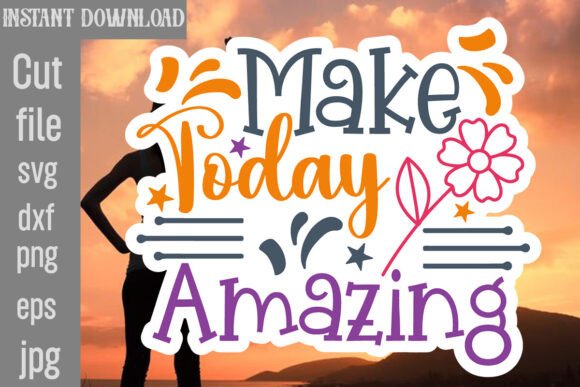
Reviewing the Make Today Amazing SVG Cut File
As a designer who spends half my life digitizing and the other half stitching, I have learned to look past the glossy mockups. When I first opened the Make Today Amazing SVG Cut File, my immediate reaction was not just about the aesthetic, but about its structural integrity for real-world application. This isn’t just a graphic; it is a potential centerpiece for a handmade product that needs to withstand washing, wearing, and daily use. The design carries a distinct retro vibe, tapping into the current trend of mental health awareness and positivity, which makes it highly relevant for today’s market. However, translating a vector graphic intended for vinyl cutting into a tactile embroidery project requires a critical eye.
First Impressions and Visual Personality
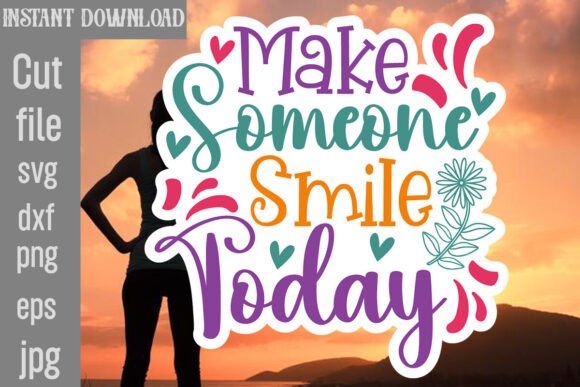
The layout of this design is clean, with bold typography that screams confidence. The phrase "Make Today Amazing" is structured in a way that suggests movement and energy. For an embroidery designer, this is both a blessing and a challenge. Bold letters are generally easier to stitch than script fonts, as they allow for consistent satin stitch coverage without excessive jump stitches. The retro styling implies a certain thickness to the lines, which is crucial. Thin lines in embroidery can easily get lost or break under tension, but the weight here feels substantial enough to hold up on various fabrics.
The mood is uplifting yet grounded. It fits perfectly into the niche of Mental Health Awareness products, appealing to customers looking for gentle reminders of self-care. Visually, it balances well. It is not overly cluttered, which means it won’t require an exorbitant amount of thread or machine time. This efficiency is vital for Etsy sellers and small shop product creators who need to maintain healthy profit margins while delivering high-quality custom apparel.
Real-World Application: The Tote Bag Test
To truly evaluate this digital embroidery file, I imagined applying it to a heavy canvas tote bag. This is a classic use case for motivational quotes. The sturdy texture of canvas provides an excellent base for the likely fill stitch background or dense lettering required to make the text pop. In this scenario, the design acts as a statement piece. I visualized using a contrasting thread color—perhaps a deep teal or mustard yellow against natural beige canvas—to enhance readability.
The result would be a durable tote bag design that doesn’t just look good in a printable mockup but feels premium in hand. Customers buying these items often seek comfort and affirmation. A well-executed embroidery of this message adds tangible value. It transforms a simple bag into a personalized gift or a daily companion for someone navigating their mental health journey. The durability of embroidery compared to printed ink means the message remains vibrant after countless washes, reinforcing the brand’s commitment to quality.
Considerations for Apparel and Stretchy Fabrics
Moving from canvas to clothing, the dynamics change. If you plan to use this on a sweatshirt embroidery project, you must consider the fabric’s stretch. Heavy fleece or cotton blends can distort if the stitch density is too high. I recommend testing a sample on scrap fabric first. Adjusting the stitch density slightly lower can prevent the infamous "puckering" effect that ruins otherwise beautiful garments. For t-shirts, which are thinner and more prone to showing the back of the stitches, a proper stabilizer is non-negotiable. A cut-away stabilizer would provide the necessary support to keep the design flat and professional.
When working on curved surfaces like caps, the design’s width becomes a limiting factor. You must confirm the hoop size compatibility before purchasing or downloading. If the design is too wide, it may not fit standard cap frames without resizing, which could compromise the legibility of the smaller details. Always check the dimensions provided in the design assets package. If the file is primarily an SVG for cutting, ensure you have the corresponding embroidery formats (such as PES, DST, or JEF) that are optimized for machine stitching, not just scaled-down vectors.
Navigating Technical Challenges
One area where caution is needed is with tiny details. While the main text is bold, any accompanying decorative elements or smaller sub-text like "Healing Is Not Linear" (if included in the full bundle) need careful scrutiny. Small lettering can become illegible if the thread thickness is too great for the font size. In such cases, switching to a running stitch outline instead of a fill might preserve clarity. Additionally, dark fabrics present a contrast challenge. If you are stitching light thread on black fabric, you may need an underlay stitch to prevent the background fabric from peeking through the letters, which can look messy and unprofessional.
For baby embroidery items, softness is paramount. Dense stitching can feel scratchy against sensitive skin. If this design is used on onesies or baby blankets, consider placing it on a patch that is then sewn onto the garment, rather than stitching directly onto the fabric. This creates an embroidered patch effect that is softer and more durable. It also allows for easier quality control, as you can discard a flawed patch without ruining the entire garment.
Commercial Viability and Brand Consistency
From a business perspective, this design fits seamlessly into a broader collection of Crafts and Graphics focused on wellness. For commercial embroidery projects, consistency is key. Using this design across different products—aprons, pillow covers, tea towels—helps build a recognizable brand identity. The retro aesthetic is versatile enough to appeal to various demographics, from college students to middle-aged professionals seeking mindfulness tools.
However, licensing is a critical step. Before selling finished items or using this as part of a craft business inventory, verify the license terms. Some digital files are for personal use only, while others allow for commercial sales up to a certain quantity. Ignoring this can lead to legal issues down the line. Always read the fine print associated with the machine embroidery design purchase.
Final Designer Notes
- Test on Scrap: Never skip the test stitch. Use the same fabric and stabilizer combination you plan to use for the final product.
- Thread Contrast: Choose thread colors that stand out against the fabric. High contrast improves readability and visual impact.
- Check Dimensions: Ensure the design fits your hoop size without excessive resizing that distorts the aspect ratio.
- Stabilizer Selection: Match the stabilizer to the fabric weight. Heavier fabrics need less support; lighter fabrics need more.
- License Verification: Confirm whether the file allows for commercial use if you intend to sell the finished product.
In conclusion, the Make Today Amazing SVG Cut File offers a strong foundation for meaningful embroidery projects. Its bold, retro style translates well to stitch, provided the technical aspects of density and stabilization are managed correctly. For designers and makers, it represents an opportunity to create items that are not just visually appealing but emotionally resonant. By approaching this design with a practical, detail-oriented mindset, you can produce high-quality goods that customers will cherish and trust.