Nice Naughty Clinical Psychologist: A Designer's Review
As someone who spends more time staring at stitch maps than most people care to admit, I approach every new machine embroidery design with a mix of skepticism and curiosity. When I first pulled up the Nice Naughty Clinical Psychologist file on my screen, I wasn't just looking at a cute phrase; I was evaluating a potential asset for my craft business. In the world of personalized gifts and custom apparel, the line between a clever inside joke and a confusing mess is often drawn by the quality of the digitizing and the suitability of the fabric. This review breaks down how this specific graphic holds up when moved from a digital screen to a tangible, stitched reality.
First Impressions and Visual Personality
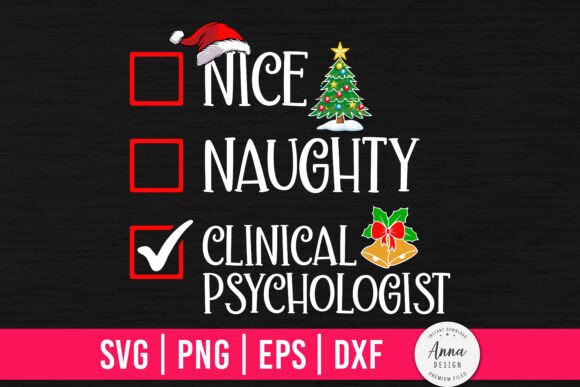
The initial mood of the Nice Naughty Clinical Psychologist design is playful yet professional enough to resonate with its target audience. It strikes a balance that is essential for anyone selling to mental health professionals or students. The layout typically features a juxtaposition of fonts or elements that suggest the duality of the profession—the caring "nice" side and the boundary-setting "naughty" side. For an embroidery project, this visual personality is crucial. It needs to read clearly from a distance, especially if it is intended for a tote bag design or a sweatshirt embroidery piece worn at a conference or casual Friday.
From a designer's perspective, the shape and flow of the letters matter immensely. If the text is too condensed, it creates dense stitch areas that can lead to thread breaks or fabric puckering. If it is too spread out, it might look weak on stretchy fabrics. My first instinct upon seeing this graphic is to imagine it as a statement piece. It feels right at home on a canvas tote or a structured cap, where the flat surface allows the typography to shine without distortion. However, before committing to a full production run, one must consider how these curves and corners translate into actual thread.
Real-World Application Scenarios
Let's walk through a realistic scenario. Imagine a client runs a small shop product line catering to therapy practitioners. They want a holiday embroidery gift for their staff or a boutique branding item for their waiting room. The Nice Naughty Clinical Psychologist graphic fits perfectly here. I would likely choose a high-quality cotton twill for an embroidered patch or a medium-weight fleece for a cozy sweatshirt. The humor in the design serves as an icebreaker, making the finished product not just clothing, but a conversation starter.
For an Etsy seller looking to expand their catalog beyond generic quotes, this design offers a niche appeal. It works exceptionally well as a personalized gift for graduation parties or licensure celebrations. When applied to a apron for an art therapist or a pillow cover for a home office, the design adds a layer of professional identity mixed with personal flair. The key is ensuring the scale matches the item. On a baby embroidery project, such as a onesie for a psychologist's newborn, the design would need to be significantly scaled down, which brings us to the technical limitations.
Navigating Technical Challenges and Fabric Choices
While the concept is strong, the execution depends entirely on how you handle the materials. There are specific situations where you must use the Nice Naughty Clinical Psychologist design carefully. If you are working with small hoop sizes, you might find that the finer details of the lettering get lost. Tiny lettering is the enemy of machine embroidery; if the strokes are too thin, they may not cover the fabric adequately, leading to gaps that look unprofessional.
Textured fabrics present another hurdle. If you attempt to stitch this onto a heavily textured waffle knit or a looped towel, the definition of the words could suffer. Similarly, stretchy fabric requires a robust stabilizer strategy. Without the proper cut-away or tear-away stabilizer, the tension of the satin stitch or fill stitch could cause the garment to warp after the first wash. Dark fabric also demands attention; if the design relies on subtle shading or light thread colors, you must ensure there is enough density to prevent the background color from showing through, which can muddy the visual appeal.
Curved surfaces like caps are particularly tricky. The center of the cap is the only safe zone for detailed text. If the design arcs too aggressively, the letters may distort, making the phrase unreadable. For layered garments, such as a hooded sweatshirt, you must account for the thickness. A design that looks crisp on a single layer of quilting cotton might sink into the pile of a thick fleece, reducing its clarity.
Enhancing Value and Brand Consistency
Using a well-chosen graphic like Nice Naughty Clinical Psychologist directly affects your brand consistency and customer trust. When a buyer sees a finished product where the stitching is clean, the thread colors are vibrant, and the placement is precise, they perceive higher value. This is vital for commercial embroidery projects where reputation is everything. A sloppy application of a funny design can make a craft business look amateurish, whereas a crisp, well-executed version reinforces professionalism.
The design also boosts buyer engagement. People love items that reflect their specific career struggles and joys. By offering this as part of a collection, you create a sense of community among your customers. Whether it is used for printable mockups to test marketing angles or as a physical item at a craft fair, the relatability of the theme drives sales. It transforms a simple piece of fabric into a badge of honor for the wearer.
Practical Notes for the Serious Maker
Before you load this file into your machine, there are several practical steps you should take. First, always test the design on scrap fabric that matches your final material. This allows you to check thread color contrast and review stitch density without ruining your good stock. Inspect small details closely; are the dots on the "i"s distinct? Do the sharp corners of the letters pull or bunch up?
It is also wise to test the design in black and white mockups to ensure the contrast holds up even without color. Compare how it looks on both light and dark fabric backgrounds to decide if you need an underlay stitch adjustment. Confirm the hoop size required; if the design is large, you may need to split it or use a larger frame, which impacts your workflow.
Regarding the file itself, the product description indicates it is an svg png dxf eps package intended for cutting machines like Cricut and Silhouette. This is a critical distinction. As an embroidery reviewer, I must advise that if you intend to use this for stitching, you need to verify if an embroidery-specific file format (like PES, DST, or XXX) is included or if you need to digitize it yourself using software. Using a cut file for embroidery without proper digitizing can result in poor stitch paths and excessive trimming. Always confirm licensing before selling finished items or digital products to ensure you are compliant with the creator's terms.
In conclusion, the Nice Naughty Clinical Psychologist graphic has strong potential as a versatile design asset. With the right fabric choices, proper stabilization, and attention to detail, it can elevate a handmade product from a simple craft to a cherished keepsake. Whether you are an experienced decorator or a hobbyist exploring new themes, this design offers a fun opportunity to blend humor with craftsmanship.