Nice Naughty Both: A Designer’s Real-World Review
As an embroidery designer who has spent years digitizing patterns and testing them on everything from flimsy rayon to heavy denim, I have learned that a design’s potential is not just about its aesthetic appeal. It is about how it behaves under the needle. When I first encountered Nice Naughty Both, my initial reaction was one of curiosity mixed with professional caution. The phrase itself carries a playful, dualistic energy that resonates deeply in today’s market, where customers often seek items that balance sweetness with a bit of edge. But does this specific graphic translate well into thread? That is the question every serious crafter needs to ask before committing to a project.
The product is listed as a digital file for cutting machines, specifically noting it as an SVG, PNG, DXF, and EPS package. For those of us working primarily with embroidery machines, this classification under Print Templates and Graphics requires a slight shift in perspective. While these formats are native to Cricut and Silhouette users, they serve as excellent base layers for embroidery digitizers or for hybrid projects involving heat transfer vinyl (HTV) alongside stitching. If you are planning to use this strictly for machine embroidery, you will likely need to import these vector files into your digitizing software to create the actual stitch file, unless a pre-digitized PES or DST file is also provided in the bundle. Always check the folder contents immediately upon download.
First Impressions and Visual Personality
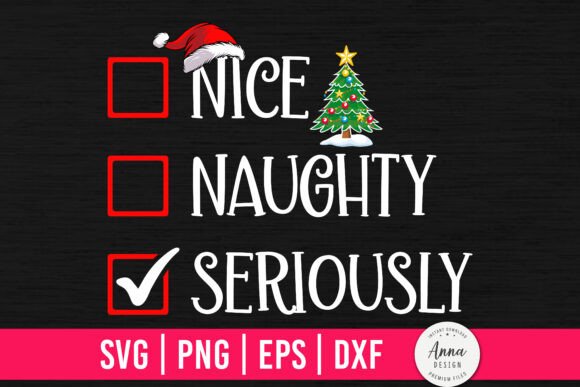
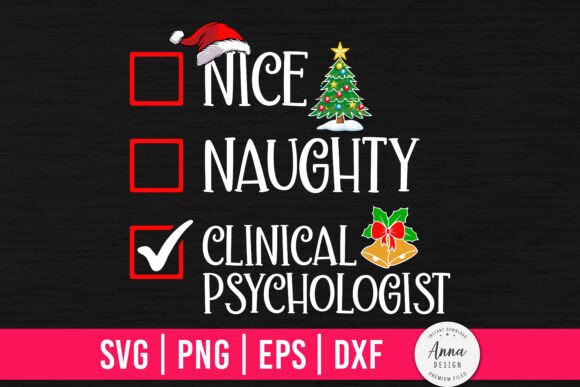
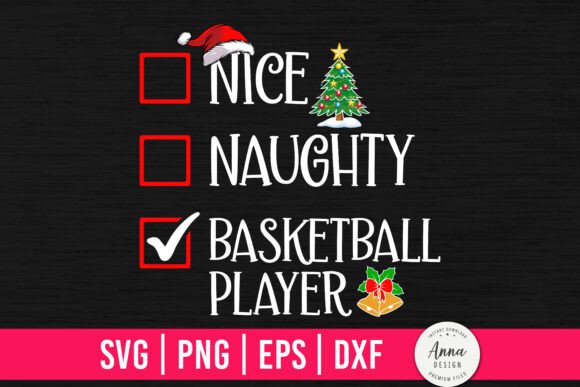
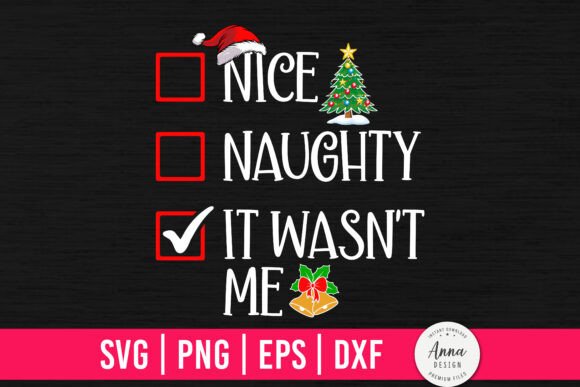
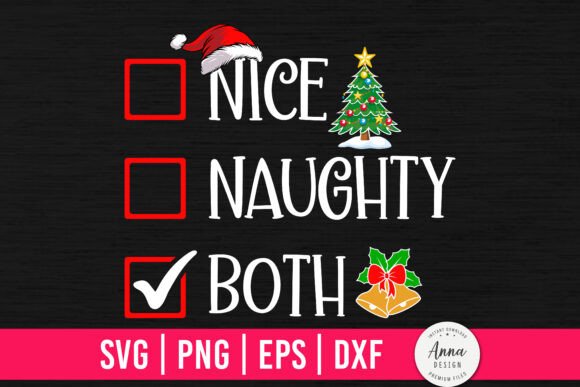
The visual personality of Nice Naughty Both is striking because it relies on contrast. The typography and layout suggest a whimsical yet bold statement. In a real-world scenario, I imagined this design applied to a custom embroidered tote bag. Tote bags are a staple for small shop products and Etsy sellers because they offer a large, flat canvas. The design’s structure appears robust enough to hold its own on a natural cotton canvas. The mood it creates is lighthearted but confident, making it suitable for a wide demographic—from college students to young parents who appreciate a touch of humor in their daily accessories.
When evaluating the shape and detail level, I look for potential pitfalls. Complex curves and tiny serifs can become nightmares if the stitch density is too high or the resolution too low. Since this is provided as a vector-based SVG and EPS, the scalability is a significant advantage. You can resize the design to fit a 4x4 hoop for a baby onesie or expand it for a sweatshirt back print without losing clarity. This flexibility is crucial for craft business owners who need to maximize the utility of a single design asset across multiple product lines.
Real-Life Application Scenarios
Let us consider a specific case: preparing a holiday gift line for a boutique client. The theme is "playful winter," and the client wants items that stand out from the typical snowflake motifs. Nice Naughty Both fits perfectly here. Imagine this design stitched onto a charcoal grey sweatshirt using a bright red satin stitch for the "Naughty" portion and a crisp white fill stitch for "Nice." The contrast against the dark fabric would be visually arresting. However, this is where practical design judgment comes into play. Sweatshirt fleece is thick and textured. If the design includes fine lines or small text, the texture of the fabric might swallow the details. I would recommend increasing the stitch count slightly or using a thicker thread weight to ensure visibility.
Another viable application is in personalized gifts for new parents. Baby embroidery requires a delicate touch. If you scale down Nice Naughty Both for a baby bodysuit, you must be mindful of the hoop size and the stability of the fabric. Knit fabrics stretch, which can distort the design during stitching. Using a cut-away stabilizer is non-negotiable here to maintain the integrity of the finished product. The playful nature of the text makes it a hit for "nice" babies who occasionally have "naughty" moments, adding a layer of relatability that drives buyer engagement on platforms like Etsy.
Technical Considerations for Embroiderers
While the source files are labeled for cutting machines, translating this into a machine embroidery design requires attention to stitch types. For the solid areas of the letters, a fill stitch is appropriate, but you must manage the pull compensation. If the design has sharp corners, a running stitch outline might be necessary to define the edges before the fill begins. Without proper digitizing, sharp corners can bunch up, ruining the clean look of the graphic.
Thread colors play a pivotal role in how this design is perceived. I strongly advise testing the design in black and white mockups first. If the design relies solely on color to differentiate between the "Nice" and "Naughty" elements, it may lose impact when stitched in monochrome or on patterned fabrics. High contrast is key. For example, stitching light thread on dark fabric or vice versa ensures that the message is readable from a distance. This is particularly important for commercial embroidery projects where brand consistency and readability are paramount.
Fabric texture is another variable that cannot be ignored. On smooth quilting cotton, the design will appear crisp and precise. On textured linen or terry cloth towels, the stitches may sink into the fabric. In such cases, using a topping stabilizer can help the thread sit on top of the fibers, preserving the clarity of the Nice Naughty Both graphic. This is a common issue with tea towels and aprons, which are popular items for handmade product sellers.
Where to Use Caution
Not every surface is suitable for this design. Curved surfaces like caps present a challenge. The distortion caused by the curve of the cap can warp the text, making it difficult to read. If you intend to use this for hat embroidery, keep the size small and center it carefully. Additionally, avoid placing dense stitch areas on thin, stretchy fabrics like rayon jersey without adequate stabilization. The weight of the thread can cause the fabric to pucker, detracting from the professionalism of the finished product.
Small hoop sizes also require scrutiny. If you are working with a 4x4 hoop, ensure that the design fits comfortably within the margins without touching the edges. Crowding the design can lead to hoop burns or skipped stitches. Always run a test stitch-out on scrap fabric that matches the weight and type of your final material. This step saves time, thread, and frustration in the long run.
Commercial Viability and Brand Value
For Etsy sellers and creative entrepreneurs, the versatility of Nice Naughty Both adds value to their shop. It is not just a graphic; it is a conversation starter. Items featuring this design are likely to attract customers looking for unique, humorous, or slightly rebellious gifts. This emotional connection enhances the perceived value of the handmade product. However, always confirm the licensing terms included with the digital embroidery file. Some creators allow personal use only, while others permit commercial sales of finished physical items. Clarifying this before listing products protects your business from legal issues.
In conclusion, Nice Naughty Both is a promising asset for designers who understand how to adapt vector graphics for textile applications. Its strength lies in its bold statement and scalable format. By paying attention to stitch density, fabric choice, and stabilization, you can transform this digital file into a high-quality embroidered patch, apparel accent, or home decor item. Whether you are creating a custom apparel line or a seasonal collection of personalized gifts, this design offers the flexibility and charm needed to succeed in the competitive craft market. Just remember to test, adjust, and stitch with precision.