The Snack Elf Funny Christmas: A Designer's Review
As someone who spends more time staring at stitch maps than most people spend watching television, I approach new digital embroidery file releases with a healthy dose of skepticism. We have all been there: you buy a cute graphic, load it onto your machine, and realize halfway through that the satin columns are too wide for the fabric or the details are so tiny they will vanish under a standard needle. That is why I took a close look at The Snack Elf Funny Christmas before committing it to a client project. This isn't just about whether the image is cute; it is about whether it survives the transition from a vector screen display to a tangible, threaded reality.
First Impressions and Visual Personality
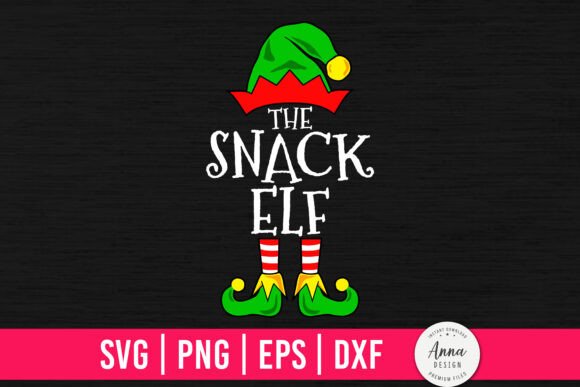
When I first pulled up the files for The Snack Elf Funny Christmas, the immediate takeaway was its playful, mischievous energy. In the world of holiday embroidery, we often see the same tired reindeer and snowflake motifs repeated endlessly. This design breaks that mold with a humorous twist that feels fresh for the current market. The layout suggests a strong focal point, likely centered around a character caught in a relatable, funny moment involving holiday treats. For an Etsy seller or craft business owner, this kind of personality is gold. It stops the scroll.
From a technical standpoint, the lines appear clean in the preview. However, as a reviewer, I always look past the pretty picture. The success of this machine embroidery design depends heavily on how those lines translate into actual thread. Does the humor rely on tiny facial expressions that might get lost in a fill stitch? Are there sharp corners that require precise stopping and starting? My initial assessment is that the bold nature of the "Snack Elf" theme lends itself well to embroidery, provided the digitizer has accounted for thread pull and fabric distortion.
Real-World Application: The Holiday Tote Bag Scenario
To truly test the viability of this design, I imagined a specific real-life scenario: creating a batch of custom tote bags for a local boutique's holiday promotion. Tote bags are notoriously tricky; the canvas is thick, textured, and often uneven. If The Snack Elf Funny Christmas works here, it can work almost anywhere.
In this hypothetical run, the design would serve as the centerpiece of a handmade product meant for carrying cookies or gifts. The whimsical nature of the elf fits perfectly with the casual utility of a tote. However, this is where practical judgment comes in. If the design includes fine lettering or intricate details near the edges, the texture of the canvas could eat those details alive. I would recommend running a test on scrap canvas first. If the stitch density is too high, the fabric might pucker, ruining the flat lay of the bag. Conversely, if the density is too low, the canvas weave will show through, making the colors look muddy.
For a sweatshirt embroidery project, the stakes are slightly different. Knit fabrics stretch. If this design is used on a cozy holiday pullover, the stability of the stitching becomes paramount. A design like this, which likely relies on clear shapes to convey its joke, needs a robust underlay and appropriate stabilizer to prevent the image from distorting when the wearer moves. If executed correctly, it transforms a generic sweatshirt into a cherished personalized gift that a customer will actually want to wear year after year.
Navigating Technical Challenges
While The Snack Elf Funny Christmas shows promise, there are specific areas where caution is required. As a professional, I cannot stress enough the importance of checking the hoop size requirements against your machine's capabilities. If the design is large, you might be forced to use a larger hoop, which can be difficult to manage on curved surfaces like caps or structured hats. Speaking of caps, placing this design on a front panel requires careful attention to the center line. Any asymmetry in the elf's features will be glaringly obvious on a curved surface.
Another critical factor is thread color contrast. Humorous designs often rely on visual clarity to land the joke. If you are stitching this onto a dark navy or black garment, you must ensure the thread colors pop sufficiently. Sometimes, what looks vibrant on a backlit computer screen falls flat on dark fabric texture. I always advise doing a black-and-white mockup first to check the value contrast. If the light and dark areas blend together in grayscale, the design will lack definition in real life.
Furthermore, consider the washability. Holiday items often get heavy use and frequent washing. If The Snack Elf Funny Christmas utilizes dense satin stitch borders without proper locking stitches, they may fray after a few cycles. For items like tea towels or aprons that face rigorous cleaning, verifying the stitch integrity is non-negotiable. You do not want a customer returning a finished product because the elf's smile unraveled in the dryer.
Commercial Viability and Brand Consistency
For small shop product creators and apparel decorators, the commercial potential of this design is significant. The "funny Christmas" niche is evergreen, pardon the pun. However, using this as a design asset for your brand requires consistency. Does this elf match the aesthetic of your other offerings? If your brand is known for elegant, minimalist monograms, a goofy snack elf might confuse your audience. But for shops focusing on fun, family-oriented, or quirky holiday goods, this is a perfect fit.
It is also vital to address the file formats mentioned in the product listing: svg png dxf eps. These are primarily vector formats used for cutting machines like Cricut and Silhouette, often categorized under Print Templates or Graphics. While excellent for vinyl heat transfer or sublimation, using them directly for commercial embroidery requires a crucial step. You cannot simply plug an SVG into an embroidery machine and expect perfect results. These files usually need to be digitized into a proprietary embroidery format (like PES, DST, or EXP) unless the seller explicitly provides those specific embroidery files alongside the vectors. Always confirm exactly what you are receiving. If you are buying this for embroidery, ensure you have the correct stitched file, not just the cut file, or be prepared to pay for professional digitizing services to convert the graphics into a stitch-ready format.
Final Verdict and Designer Notes
In conclusion, The Snack Elf Funny Christmas offers a charming and marketable concept that stands out in a sea of generic holiday clipart. Its strength lies in its ability to evoke a smile, making it ideal for baby embroidery on onesies, embroidered patch creations, or festive home decor like pillow covers. However, its success in your hands depends entirely on your preparation.
Before you start stitching for profit, follow these practical steps:
- Test on scraps: Never skip the test run on the exact fabric you plan to use for the final item.
- Check the license: Verify if the purchase allows for unlimited commercial sales of finished physical goods or if there are restrictions on the number of items.
- Review the digits: If you are working with the vector files for cutting, remember that embroidery requires a different file type. Ensure you have the correct embroidery file format for your machine.
- Stabilize properly: Match your stabilizer to the fabric weight. Stretchy knits need cut-away, while wovens often do well with tear-away.
- Inspect the details: Zoom in on the digital proof. Look for traveling stitches that might need trimming or areas where thread buildup could be an issue.
Ultimately, The Snack Elf Funny Christmas is a solid contender for your holiday catalog, provided you treat it with the technical respect it deserves. By understanding the interplay between the design's personality and the physical constraints of embroidery, you can turn a simple digital download into a high-value custom apparel piece that delights your customers and boosts your reputation as a skilled maker.