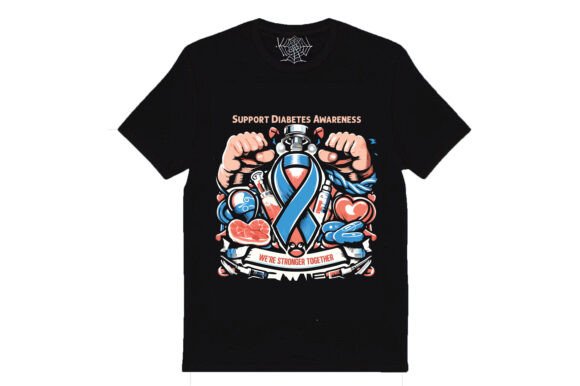
Reviewing Support Diabetes Awareness – We’re for Embroidery
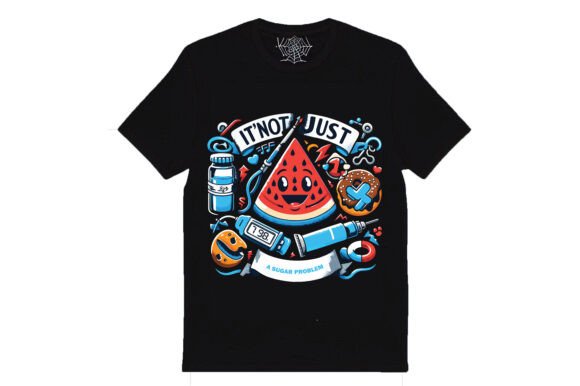
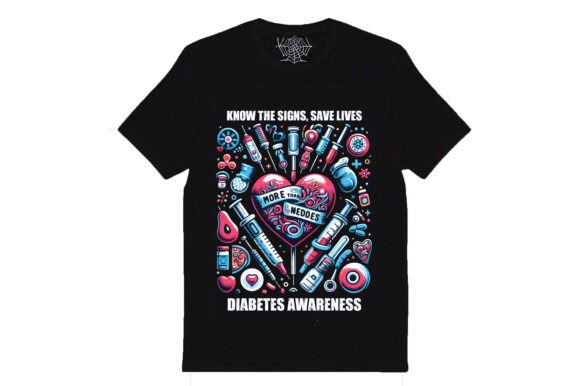
As a designer who has spent years translating digital graphics into thread, I approach every new machine embroidery design with a specific set of questions. Will it stitch out cleanly? Does the layout hold up under the tension of the hoop? And perhaps most importantly, does it convey the intended message with clarity and dignity? Recently, I evaluated Support Diabetes Awareness – We’re, a graphic originally marketed for T-shirt prints, to determine its viability for stitched applications. The source description notes this is a "New diabetes day T-shirt design" suitable for mugs and other purposes, emphasizing support for friends and loved ones. While the original intent is clearly rooted in flat printing, the potential for this design to transition into a high-quality embroidery project is significant, provided we navigate the technical constraints carefully.
First Impressions: Mood and Visual Personality
The immediate impression of Support Diabetes Awareness – We’re is one of solidarity. The theme is not just about medical awareness; it is about community. In the context of T-Shirt Designs, this often translates to bold, readable typography paired with symbolic imagery. For an embroidery reviewer, the mood dictates the technique. A design centered on support and awareness requires a clean, professional finish. It cannot look messy or amateurish, as that undermines the seriousness of the cause. The visual personality here leans toward the informative and the heartfelt. When I visualize this as an applique design or a dense fill piece, I see it working best on items meant to be worn with pride, such as event shirts for walk-a-thons or personalized gifts for family members managing type 1 or type 2 diabetes.
Real-World Application: From Digital File to Stitched Reality
To truly test the versatility of this graphic, I imagined a real-life scenario: preparing a custom order for a local boutique client. The request was for a set of matching tote bags for a family attending a diabetes awareness fundraiser. Using Support Diabetes Awareness – We’re as the central tote bag design element presents unique challenges and opportunities. Unlike a t-shirt, a canvas tote has a tighter weave and less stretch, which is generally favorable for embroidery. However, the size of the design becomes critical. If the original Graphics file is too large, it may require excessive stitching time and thread, potentially causing puckering. If it is too small, the text may become illegible.
In this scenario, I would likely scale the design to fit a 5x7 or 6x10 hoop, ensuring that the lettering remains thick enough to be covered by a satin stitch or a tight fill stitch. The result would be a textured, tactile handmade product that feels substantial and valuable. Customers often perceive embroidered items as higher quality than printed ones because of the labor and skill involved. By converting this digital asset into a stitched format, you elevate the perceived value of the finished product, making it an ideal candidate for an Etsy seller looking to differentiate their small shop product from mass-produced alternatives.
Adapting for Apparel and Accessories
Beyond tote bags, this design has strong potential for sweatshirt embroidery. A fleece or cotton-blend sweatshirt provides a stable base for heavier designs. The warmth of the garment complements the supportive message of the artwork. However, when moving to custom apparel like t-shirts, caution is required. T-shirt fabric is thin and stretchy. Without proper stabilization, a dense design like this could pull the fabric, creating unsightly wrinkles around the hoop area. For these lighter fabrics, I recommend using a cut-away stabilizer to provide long-term support, especially if the item will be washed frequently. The design could also work beautifully on a structured cap, though the curved surface requires careful digitizing to prevent distortion of the text.
Technical Considerations for the Embroiderer
While the aesthetic appeal of Support Diabetes Awareness – We’re is clear, the technical execution requires attention to detail. Since the original product description does not specify stitch count, file formats, or density, we must assume this is a raw graphic that needs to be digitized or converted. If you are purchasing a pre-digitized digital embroidery file, always check the sample stitches. If you are digitizing it yourself, consider the following:
- Stitch Density: Ensure the density is appropriate for the fabric. Too dense, and the fabric will pucker; too sparse, and the backing will show through.
- Thread Colors: Diabetes awareness is commonly associated with blue. Verify that your thread colors offer sufficient contrast against the fabric. A dark blue design on a black shirt will vanish, while a light blue on white may lack impact.
- Small Details: Inspect any fine lines or small text elements. In embroidery, tiny details can get lost or break during stitching. Simplify complex corners and ensure lettering is bold enough to be legible after stitching.
- Hoop Size: Confirm that the design fits within your available hoop sizes without requiring excessive re-hooping, which can lead to alignment issues.
Navigating Fabric and Surface Challenges
Not every surface is suitable for this design. Textured fabrics, such as heavy waffle-knit towels or rough linen, can interfere with the clarity of the stitches. The fabric texture may cause the needle to deflect, resulting in uneven lines. Similarly, stretchy fabrics like jersey knits require a skilled hand and the right stabilizer to maintain shape. Dark fabrics present another challenge; if the design includes light-colored elements, you may need to use an underlay stitch to prevent the dark fabric from showing through the top threads. For baby embroidery projects, such as onesies or blankets, ensure that the back of the stitching is soft and does not irritate sensitive skin. Using a soft backing or covering the reverse side with iron-on interfacing can improve comfort.
Commercial Viability and Brand Consistency
For craft business owners and commercial embroidery professionals, consistency is key. When selling design assets or finished goods, the quality of the stitch-out reflects directly on your brand. A poorly executed version of Support Diabetes Awareness – We’re can damage customer trust. Conversely, a crisp, well-balanced embroidery can enhance brand recognition and encourage repeat business. This design fits well into a lineup of holiday embroidery or awareness month specials. It can be paired with other related graphics to create a cohesive collection for printable mockup previews and online listings.
Before listing this as a personalized gift or embroidered patch, verify the licensing terms. The original description mentions it is for T-shirt and mug design, but commercial rights for embroidery may differ. Always confirm whether you have the right to sell finished items or if the license is restricted to personal use. This due diligence protects your business and respects the original creator.
Final Verdict: A Practical Choice with Caveats
Support Diabetes Awareness – We’re is a compelling choice for designers looking to create meaningful, supportive merchandise. Its strength lies in its clear message and versatile layout, which can adapt to various embroidery files and applications. However, success depends on technical precision. Test the design on scrap fabric first. Check the stitch density. Compare light and dark fabric backgrounds. By treating this graphic not just as a picture, but as a structural element of textile art, you can produce a finished product that is both visually appealing and emotionally resonant. Whether for a small shop product or a heartfelt gift, this design offers a solid foundation for creative expression, provided the embroiderer respects the medium's limitations and possibilities.