Pickleball Sport Emblem Logo Vector Review
As a designer who spends half my life digitizing logos and the other half watching them stitch out on various fabrics, I have learned that not all vector graphics are created equal for embroidery. When I first opened the Pickleball Sport Emblem Logo Vector, my immediate reaction was one of cautious optimism. The design carries a classic sports badge aesthetic, which is inherently appealing for athletic apparel and community gear. However, translating a crisp digital logo into thread requires a keen eye for detail, density, and scale. This review breaks down how this specific graphic performs in real-world embroidery scenarios, helping you decide if it is the right asset for your next craft business project or client order.
First Impressions: Visual Personality and Layout
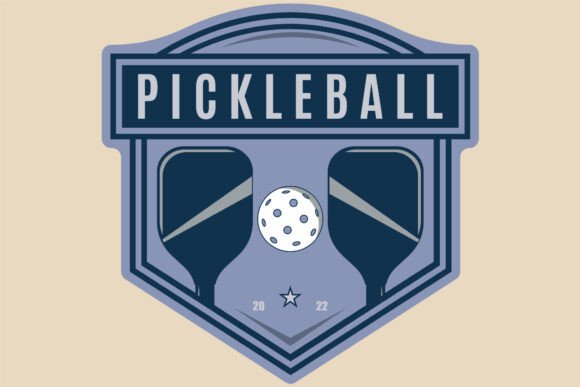
The Pickleball Sport Emblem Logo Vector features a structured, emblem-style layout that suggests movement and energy. For embroidery designers, the first thing we look at is the balance between open space and detailed elements. This design leans towards bold shapes rather than intricate, hairline details, which is generally a positive sign for stitching. The visual personality is clean and professional, making it suitable for a wide range of applications beyond just sportswear. It feels modern yet timeless, avoiding trendy fonts or overly complex gradients that often fail when converted to thread.
Because this is a vector-based design, the lines are sharp and scalable. This is crucial for us because we often need to resize logos to fit different hoop sizes. The fact that the text is non-editable means the typography has been locked in by the creator. While this limits customization, it also ensures that the kerning and letter spacing remain intact, preserving the intended visual harmony of the emblem. For a small shop owner or Etsy seller, this consistency is valuable; you know exactly what the brand mark looks like every time you use it.
Real-World Application: From Digital File to Stitched Product
To truly evaluate the Pickleball Sport Emblem Logo Vector, I imagined applying it to several common products. Let’s consider a custom embroidered tote bag. Tote bags are typically made from canvas or heavy cotton, which can handle higher stitch densities. In this context, the emblem’s solid shapes would translate well into fill stitches, creating a textured, premium look. The contrast between the thread colors and the natural fabric would make the logo pop, enhancing the perceived value of the handmade product.
Another practical scenario is sweatshirt embroidery. Here, the fabric is softer and often fleece-lined. The emblem’s design, if scaled correctly, would sit nicely on the left chest area. However, I would be cautious about placing it too large on the back, as the cumulative stitch count could make the garment stiff and uncomfortable. For baby embroidery projects, such as a onesie or a nursery decor item, the design might need significant simplification. The smaller the hoop size, the more critical it becomes to remove tiny details that could bunch up or break during washing.
For those running a craft business, this graphic is versatile. It works well for personalized gifts, such as aprons for pickleball enthusiasts or caps for team members. The emblem shape lends itself naturally to an embroidered patch application, where you can stitch the design onto a twill backing and then attach it to various garments. This approach allows for greater flexibility and reduces the risk of puckering on delicate fabrics.
Technical Considerations for Embroidery Designers
When working with any logo vector, understanding the transition from screen to needle is vital. The Pickleball Sport Emblem Logo Vector comes in EPS, SVG, PDF, and JPG formats. For the best results, you should open the EPS file using Adobe Illustrator. This allows you to inspect the paths and prepare the file for digitizing software. Since the text is non-editable, you must ensure the size you choose maintains legibility. Tiny lettering can easily become unreadable if the stitch density is too high or if the thread color lacks contrast against the fabric.
Stitch density is a major concern with emblem-style logos. Solid areas in the vector will likely require fill stitches. If these areas are too large without proper underlay or spacing, the fabric may pucker. I recommend testing the design on scrap fabric first, especially if you are using textured fabrics or stretchy materials. A proper stabilizer is non-negotiable here; a cut-away stabilizer would be ideal for garments that need frequent washing, while a tear-away might suffice for decorative items like pillow covers or wall art.
Thread colors play a significant role in the final appearance. I advise creating black and white mockups to check the contrast and clarity of the design elements. If the logo relies on subtle color shifts, it may not translate well to embroidery, which thrives on bold, distinct color blocks. Ensure your thread palette matches the vibrancy of the original vector to maintain brand consistency and visual appeal.
Navigating Challenges: Where to Use Caution
While the Pickleball Sport Emblem Logo Vector is robust, it is not without its limitations. Curved surfaces, such as caps, present a challenge. The rigid structure of the emblem might distort if not hooped correctly or if the cap material is too thin. In such cases, consider using a foam backing to raise the design and provide additional support. Similarly, dark fabrics require careful planning. If the design includes light-colored elements, you may need to add a layer of white underlay to prevent the fabric color from showing through, which can muddy the final look.
Small hoop sizes also demand attention. If you are shrinking the design to fit a 4x4 inch hoop, some of the finer details might merge together. Always inspect the design at the actual stitch-out size before committing to the final product. For commercial embroidery projects, consistency is key. Ensure that your digitizing settings are saved and reused for repeat orders to maintain uniformity across all finished products.
Enhancing Product Value and Customer Trust
Using high-quality design assets like the Pickleball Sport Emblem Logo Vector directly impacts customer trust and buyer engagement. A clean, well-stitched logo signals professionalism and attention to detail. For Etsy sellers and boutique owners, this translates to higher perceived value and potentially higher price points. Customers are more likely to purchase a personalized gift or custom apparel item if the branding looks crisp and intentional.
Moreover, the versatility of this graphic allows for diverse marketing opportunities. You can use it for holiday embroidery promotions, team merchandise, or even as part of a broader collection of sports-themed design assets. By offering a variety of products featuring this emblem, from tea towels to blankets, you can cater to different customer preferences and increase your shop’s visibility.
Final Verdict and Practical Advice
In conclusion, the Pickleball Sport Emblem Logo Vector is a strong candidate for embroidery projects, provided you approach it with technical awareness. It offers a balanced mix of style and simplicity that translates well to thread. Remember to check the licensing terms before selling finished items or digital products. Always test on scrap fabric, adjust your stabilizer choice based on the material, and pay close attention to stitch density and thread contrast. With careful execution, this design can elevate your handmade products and strengthen your brand identity in the competitive world of custom embroidery.