I'm the G-ma Elf: A Designer's Review for Holiday Stitching
As we approach the peak holiday season, my design queue is overflowing with requests for personalized family gifts. This year, the trend has shifted firmly toward intergenerational humor, and nothing captures that spirit quite like I m the G-ma Elf Funny Christmas. Having spent years digitizing and stitching various holiday motifs, I approach new files with a critical eye. It is not enough for a design to look cute on a screen; it must translate flawlessly into thread, withstand the tension of fabric, and deliver a professional finish that justifies the price point for both hobbyists and Etsy sellers.
First Impressions and Visual Personality
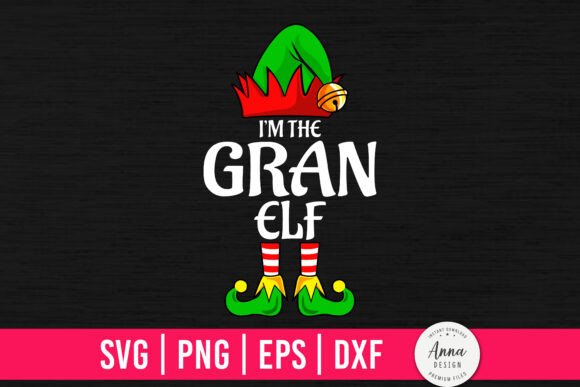
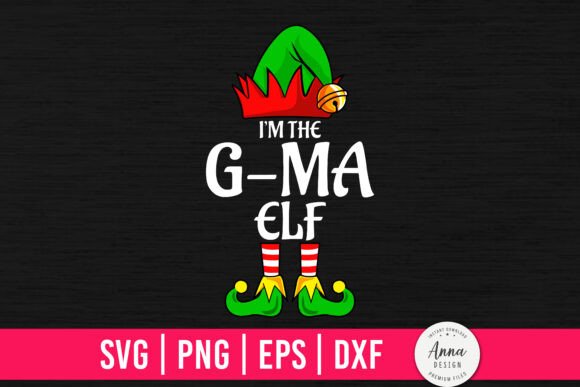
Upon opening the file, the immediate takeaway is the playful, whimsical mood it establishes. The typography in I m the G-ma Elf Funny Christmas strikes a balance between legibility and character. For an embroidery project, this is crucial. Overly decorative fonts often collapse when stitched out, especially at smaller scales, but this design appears to have sufficient weight in the letterforms to maintain clarity. The "elf" theme suggests a classic red and green palette, yet the design is versatile enough to handle modern twists like mint greens, golds, or even monochrome schemes for a more subtle boutique look.
The layout feels compact, which is a significant advantage for custom apparel. Many holiday designs sprawl too wide, making them difficult to place on standard left-chest locations or sleeve cuffs. This graphic seems tailored for versatility, fitting comfortably within common hoop sizes without sacrificing the impact of the message. As a Print Templates asset, it serves as a robust foundation for those creating printable mockups or digital product previews, but its true potential lies in the tactile reality of a finished product.
Real-World Application: The Grandmother Sweatshirt Project
To truly evaluate this machine embroidery design, I visualized a specific real-life scenario: a custom order for a client wanting matching family sweatshirts for Christmas morning. The centerpiece would be a heather grey crewneck for the grandmother featuring I m the G-ma Elf Funny Christmas. In this context, the design shines. The humor resonates deeply with the "cool grandma" demographic, elevating a simple garment into a cherished keepsake.
When translating this to sweatshirt embroidery, the stitch density becomes a primary concern. Sweatshirt fleece is thick and textured. If the design relies too heavily on dense fill stitch areas without proper underlay, the fabric can pucker, distorting the text. However, the clean lines observed in the preview suggest that with the right stabilizer—likely a heavy-duty cut-away for this fabric type—the result would be crisp. The design avoids overly intricate corners that might trap lint or fail to cover the fleece texture, making it a reliable choice for holiday embroidery on heavier garments.
Beyond apparel, this graphic is equally effective on tote bag design projects. Imagine a canvas tote filled with cookies, stitched with this phrase as a gift for a teacher or neighbor. The durability required for a tote bag means the stitching must be robust. The simplicity of the design works in our favor here; fewer tiny details mean less risk of thread breakage during frequent use. For small shop product lines, this adaptability allows a maker to offer the same design across multiple categories, from aprons to pillow covers, maximizing the value of a single digital embroidery file.
Technical Considerations for Professional Results
While the aesthetic appeal is high, a professional reviewer must address the technical hurdles. Before committing to a final embroidery project, there are several factors to test. First, consider the hoop size. While the design looks compact, always verify the dimensions against your machine's capabilities, especially if you plan to stitch it on curved surfaces like caps. Caps require specialized hoops and often demand simplified designs to avoid distortion on the front panel.
Fabric texture plays a massive role in how I m the G-ma Elf Funny Christmas performs. On smooth cotton or poly-blends, the satin stitch borders (if present in the digitized version) will pop beautifully. However, on textured linens or waffle-weave kitchen towels, the edges may appear slightly jagged. In these cases, increasing the stitch count slightly or using a topping stabilizer can bridge the gaps in the fabric weave. For dark fabrics, ensure your thread colors provide adequate contrast. A bright white or metallic gold thread can make the design stand out against navy or black backgrounds, enhancing the visual appeal.
One area requiring caution is the lettering spacing. In smaller iterations, such as on a baby embroidery item like a onesie or bib, the space between letters must be wide enough to prevent the threads from merging after washing. If the original file is an SVG intended for cutting machines, remember that converting it to an embroidery file requires careful digitizing. You cannot simply import an SVG into an embroidery machine and expect perfect results; the pathing, pull compensation, and stitch types must be defined by embroidery software. If you are purchasing this as a ready-to-stitch file, verify that it includes these optimizations.
Commercial Viability and Brand Consistency
For craft business owners and creative entrepreneurs, the commercial potential of this design is significant. The "G-ma" niche is evergreen, recurring annually with new customers. Using I m the G-ma Elf Funny Christmas in your product line can help establish brand consistency if you specialize in family-centric holiday goods. It signals to buyers that you understand current trends and can deliver personalized, high-quality items.
However, professionalism dictates that you verify licensing terms before selling. Just because a file is available as a Graphics download does not automatically grant unlimited commercial rights for physical goods. Always check the specific license included with the I'm The G-ma Elf Funny Christmas svg png dxf eps package. Assuming you have the right to sell finished items, the key to success lies in presentation. High-quality stitching builds customer trust. A sloppy execution of a funny design can undermine the perceived value of your handmade product. Ensure your tension is perfect, trim all jump stitches cleanly, and press the garment thoroughly before photography.
Final Verdict and Designer Notes
In conclusion, I m the G-ma Elf Funny Christmas is a strong contender for this holiday season's production schedule. Its blend of humor and classic styling makes it adaptable for everything from embroidered patch creation to full-back jacket designs. To ensure the best outcome, I recommend the following workflow:
- Test on Scrap Fabric: Always stitch a sample on the exact material you intend to use for the final product to check for puckering or registration issues.
- Check Thread Contrast: Verify that your chosen thread colors stand out against the fabric background, especially for darker materials.
- Review Stitch Density: If digitizing from the SVG yourself, ensure the density is appropriate for the fabric weight to avoid stiffness.
- Confirm Hoop Size: Measure the design dimensions to ensure it fits your available hoops, particularly for smaller items like hats or socks.
- Inspect Small Details: Zoom in on the digitized preview to ensure tiny elements like apostrophes or exclamation points are not lost.
- Use Proper Stabilizer: Match your stabilizer to the fabric; stretchy knits need cut-away, while stable wovens can often use tear-away.
- Verify Licensing: Double-check the terms regarding commercial use for both physical goods and digital resale before listing items.
By treating this design with the technical respect it deserves, you can transform a simple digital asset into a beloved personalized gift that brings joy to families and revenue to your small shop. It is a reminder that in the world of embroidery, the magic lies not just in the image, but in the precision of the stitch.