I'm Called Grandfather Carpenter: A Designer's Review
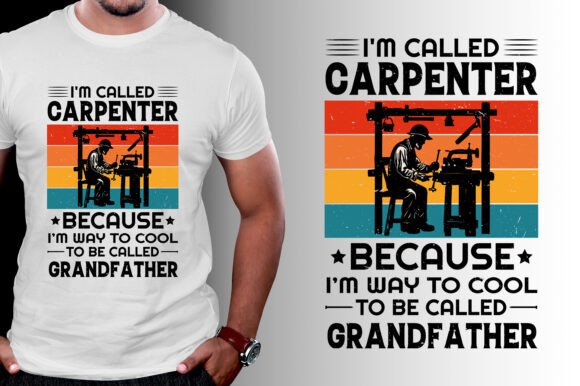
As a designer who spends more time staring at stitch simulations than most people care to admit, I approach every new machine embroidery design with a mix of curiosity and skepticism. When I first laid eyes on the I m Called Grandfather Carpenter graphic, my initial reaction wasn't about the file formats or the DPI; it was about the story it tells. This isn't just a random phrase; it evokes a specific mood of heritage, craftsmanship, and family pride. For those of us running a craft business or selling on Etsy, finding assets that resonate emotionally with customers is half the battle. The visual personality here is bold and declarative, perfect for someone who takes pride in their trade and their role in the family.
From Digital Asset to Stitched Reality
The product listing describes this as a T-Shirt Design under the Graphics category, providing high-resolution PNGs, EPS, and SVG files. While these are excellent for print-on-demand services, my mind immediately jumps to how this translates into thread. The layout of the text suggests a strong, blocky font style, which is generally a good sign for embroidery. However, before committing to a client project, I always analyze the potential translation from vector to stitch. The phrase "I m Called Grandfather Carpenter" has a certain rhythm to it, but the length requires careful consideration regarding hoop size and placement.
In a real-world scenario, imagine a customer coming to your small shop wanting a custom gift for their dad who is also a grandfather and loves woodworking. They want something durable, not just a printed tee that cracks after three washes. This is where converting this digital embroidery file into a stitched finished product adds immense value. The design naturally belongs on sturdy items like a heavy cotton tote bag, a canvas apron, or a structured cap. These surfaces provide the stability needed for the lettering to sit flat and look professional.
Navigating Fabric Choices and Stitch Density
One of the critical aspects of using a design like I m Called Grandfather Carpenter is understanding how it interacts with different materials. If you are planning sweatshirt embroidery, you need to be mindful of the fabric texture. Fleece and French terry have loops that can swallow small details. Since this design relies heavily on typography, ensuring the stitch density is appropriate is vital. If the letters are too thin or the spacing too tight, the stitches might merge, turning legible text into a blurry mess.
For custom apparel made from thinner fabrics, such as a baby onesie or a lightweight tee, you must consider the back of the garment. Dense fill stitches can feel scratchy against sensitive skin. In these cases, I recommend using a soft cut-away stabilizer to support the design without adding bulk, or perhaps adapting the concept into an applique design where the text is cut from fabric and satin stitched down. This not only reduces the stitch count but also adds a lovely tactile element that elevates the handmade product.
When working on curved surfaces like caps, the challenge increases. The center of the cap is often the only flat area large enough for a phrase of this length. You must ensure the design fits within a standard cap hoop without distorting the letters. Testing the design on a scrap piece of the actual cap material is non-negotiable here. What looks perfect on your screen might pull or pucker when stitched onto a twill front panel.
Commercial Viability and Customer Appeal
For the Etsy seller or boutique owner, the appeal of I m Called Grandfather Carpenter lies in its specificity. It targets a niche audience: grandfathers who are carpenters. This specificity drives higher engagement because the customer feels seen. It's not a generic "Best Grandpa" shirt; it acknowledges their profession. This level of personalization builds customer trust and allows you to charge a premium for a personalized gift.
However, since the source files provided are primarily graphics (PNG, SVG, EPS), it is crucial to clarify the licensing if you intend to sell physical embroidered goods. While the SVG and EPS files are vector-based and can be imported into embroidery software to generate stitches, they are not native embroidery files (like .PES, .DST, or .EXP). You will need to digitize them or use auto-digitizing features in your software, then meticulously edit the stitch path, underlay, and pull compensation. Do not assume the SVG will stitch out perfectly without adjustment. The thread colors you choose will also dramatically affect the outcome. A classic navy thread on a heather grey sweatshirt offers a subtle, sophisticated look, while high-contrast black on white makes a bold statement suitable for a work apron.
Practical Notes for the Embroidery Professional
Before launching this as part of your holiday embroidery collection or small shop product line, here are my practical recommendations:
- Test on Scrap First: Always stitch a sample on the exact fabric weight you plan to sell. Check for puckering, especially around the corners of the letters.
- Check Legibility: View your test stitch-out from a distance of three feet. If you can't read "Carpenter" clearly, you may need to increase the font size or simplify the font style during digitization.
- Stabilizer Selection: For stretchy fabrics like jersey knits, a tear-away might not be enough. Use a cut-away stabilizer to prevent the design from distorting over time as the garment stretches.
- Mockup Verification: Even though this comes with printable mockups for T-shirts, create your own digital previews showing the design on embroidered patches, pillow covers, or kitchen towels to expand your marketing reach.
- Licensing Clarity: Confirm the terms regarding commercial use. Just because you can download the file doesn't automatically mean you can sell thousands of embroidered units without checking the specific license agreement included with the design assets.
Ultimately, I m Called Grandfather Carpenter is a strong contender for any designer looking to create meaningful, niche products. Its strength lies in its clear message and emotional connection. Whether you are creating a tote bag design for a craft fair or a special wedding gift for the father of the groom, this graphic provides a solid foundation. With careful attention to digitization, fabric choice, and stitching technique, it can transform from a simple image into a cherished heirloom that celebrates both family and craft.